

Ohio farmers working to improve water quality
Research being done at Blanchard River Demonstration Farm sites throughout Ohio is helping researchers determine which conservation practices work best for reducing nutrient and sediment loss. This information will help show farmers what tools and practices they can implement on their farms to improve agriculture’s impact on downstream water quality in Ohio.


New Economic Spreadsheet Tools

Conservation Practice Economic Impact Calculator
Evaluate the economic impact of installing a wetland or other land conservation program.
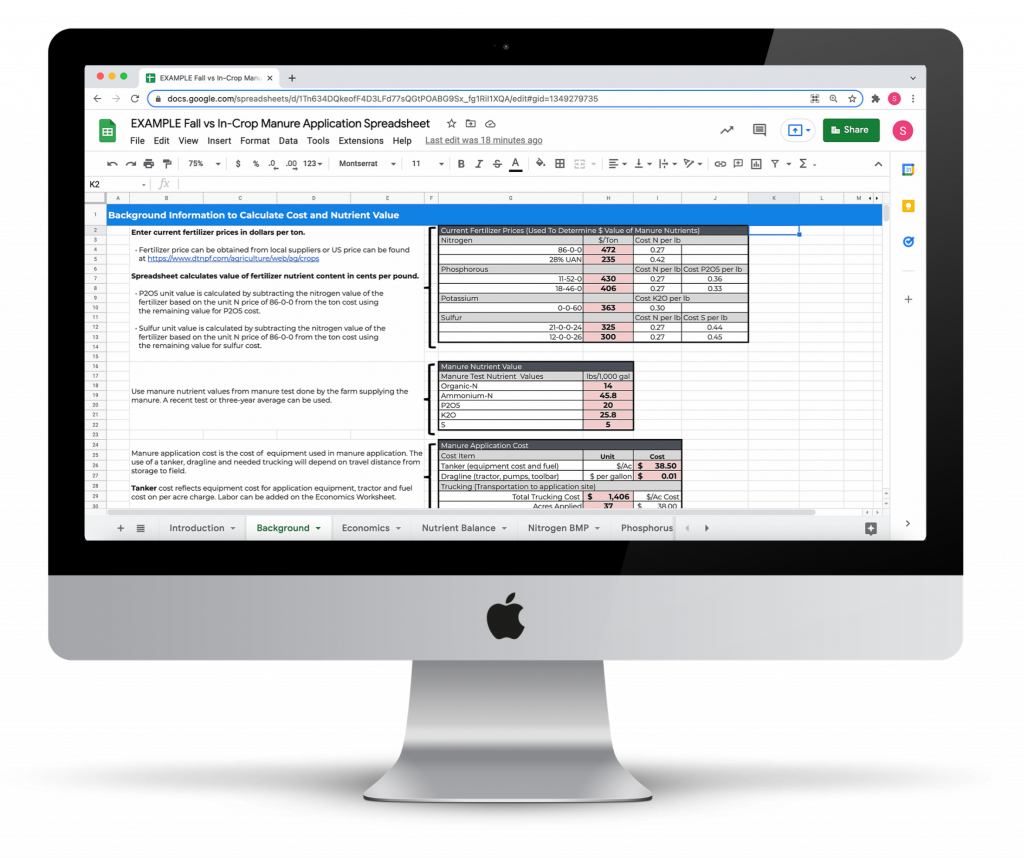
Fall vs In-Crop Manure Application Economic Return Calculator
Compare the economic return of liquid manure applied in the fall versus an in-crop application to standing corn.
Conservation practices improve the agricultural impact on downstream water quality in Ohio.



Our research helps develop better conservation practices.
Research being done at the Blanchard River Demonstration Farms and other related sites around the state is helping researchers determine what practices work best for reducing nutrient and sediment loss. Over the last five years, on-farm research has shown that three practices in particular help reduce nutrient and sediment loss:
1Following the 4R approach
2Reducing soil erosion
3Developing a water
management plan
1

Right Source

Right Rate

Right Time

Right Place
2

Reducing Soil Erosion
3

Developing Water Plan
Objectives, Mission & Initiatives
The Blanchard River Demonstration Farms Network (BRDFN) is a joint partnership between the U.S. Department of Agriculture (USDA) Natural Resources Conservation Service (NRCS) and the Ohio Farm Bureau Federation, and is a Great Lakes Restoration Initiative project. The Demonstration Farms is a project showcasing and demonstrating conservation practices that improve agriculture’s impact on downstream water quality in Ohio.

Meet Our Farmers
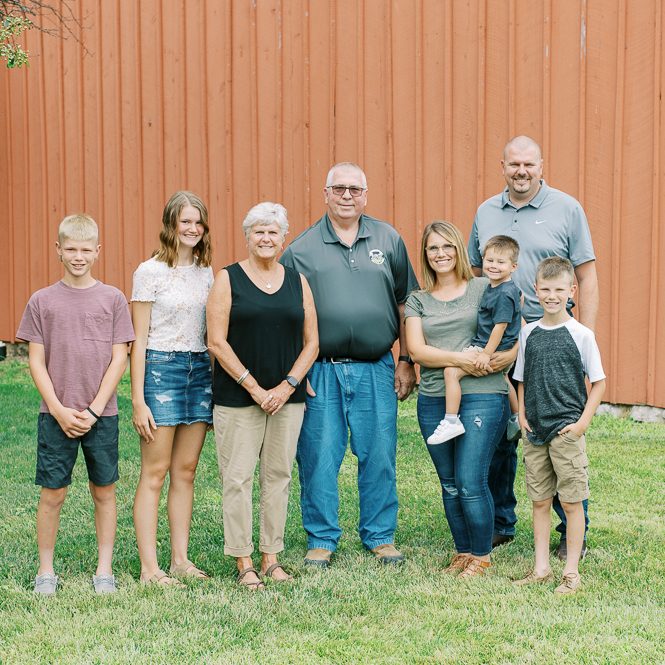
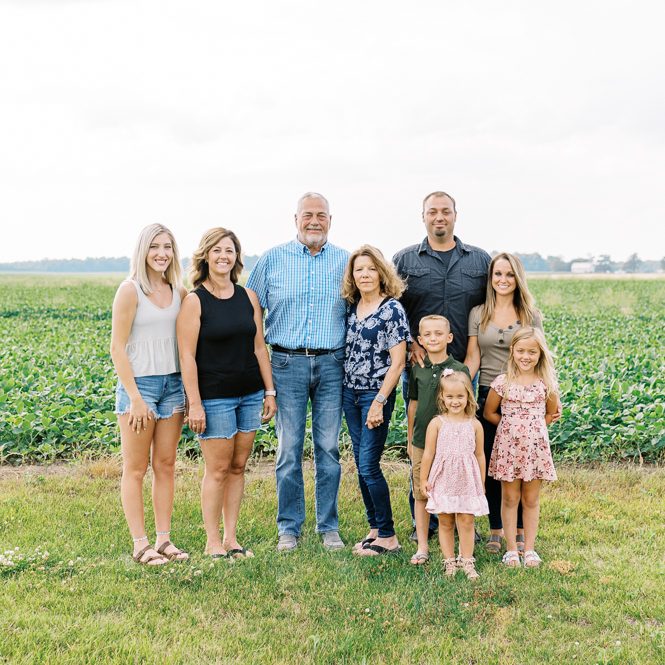
McComb, Ohio
1,000 acres corn, soybeans and wheat
7,200-head swine operation
9 conservation practices
Strong partnerships create more solutions.
Partners of the Blanchard River Demonstration Farms Network aim to help show farmers what tools and practices they can implement on their farms to limit their impact on downstream water quality. With their support, and through the implementation of conservation practices, agriculture can be part of the solution to a healthier Lake Erie.
News & Blog Stories


Upcoming Events

Podcast Episodes
Ep. 7: Larry Antosch, Water Quality
Ohio Farm Bureau’s Director of Water Quality and Research Jordan Hoewischer talks with Dr. Larry Antosch, senior director, policy development and environmental policy for Ohio Farm Bureau. Antosch gives an overview of the landscape of water quality in Ohio and sets the stage for future updates on what is going on in terms of the health of Lake Erie, nutrient loading, and laws and regulations in place.
Ep. 6: Dale Arnold, Energy Sources
Ohio Farm Bureau’s Director of Water Quality and Research Jordan Hoewischer talks with Dale Arnold, director of energy, utility and local government policy for Ohio Farm Bureau. Solar leases, pipeline projects, wind energy and all things energy-related across the state or discussed in this episode.
Ready to learn more?